Choosing Rancho Mirage Country Club Homes vs Non‑HOA
February 19, 2026
February 19, 2026
Love the idea of waking up to fairway views, but not sure you want monthly HOA dues? Or maybe you crave more freedom over your property and don’t mind calling the pool company yourself. If you’re shopping in Rancho Mirage, you’ll likely compare a country club or HOA community with a non‑HOA single‑family neighborhood. This guide breaks down the real trade‑offs so you can choose with confidence. Let’s dive in.
Country club and HOA communities in Rancho Mirage are built for convenience and lifestyle. You’ll often find golf, racquets, fitness, pools, dining, and organized social events within a gated setting. Many condo and resort‑style HOAs include items like common‑area landscaping, irrigation, gate maintenance, and community pools in the dues. Always review the exact HOA budget to confirm what is included for your address.
Monthly HOA dues vary by property type and amenities. In amenity‑rich condo or golf communities, you should expect dues that can reach the higher end of local ranges. Club membership is usually separate from HOA dues, and membership categories and costs can change. Ask for the most current membership packet from the club you are considering.
Before you buy, read the community’s rules. California’s Davis‑Stirling Act governs how associations operate, disclose budgets, and enforce rules. Treat the CC&Rs as binding. You can review a plain‑English overview of association rules and duties in the Davis‑Stirling Act resources.
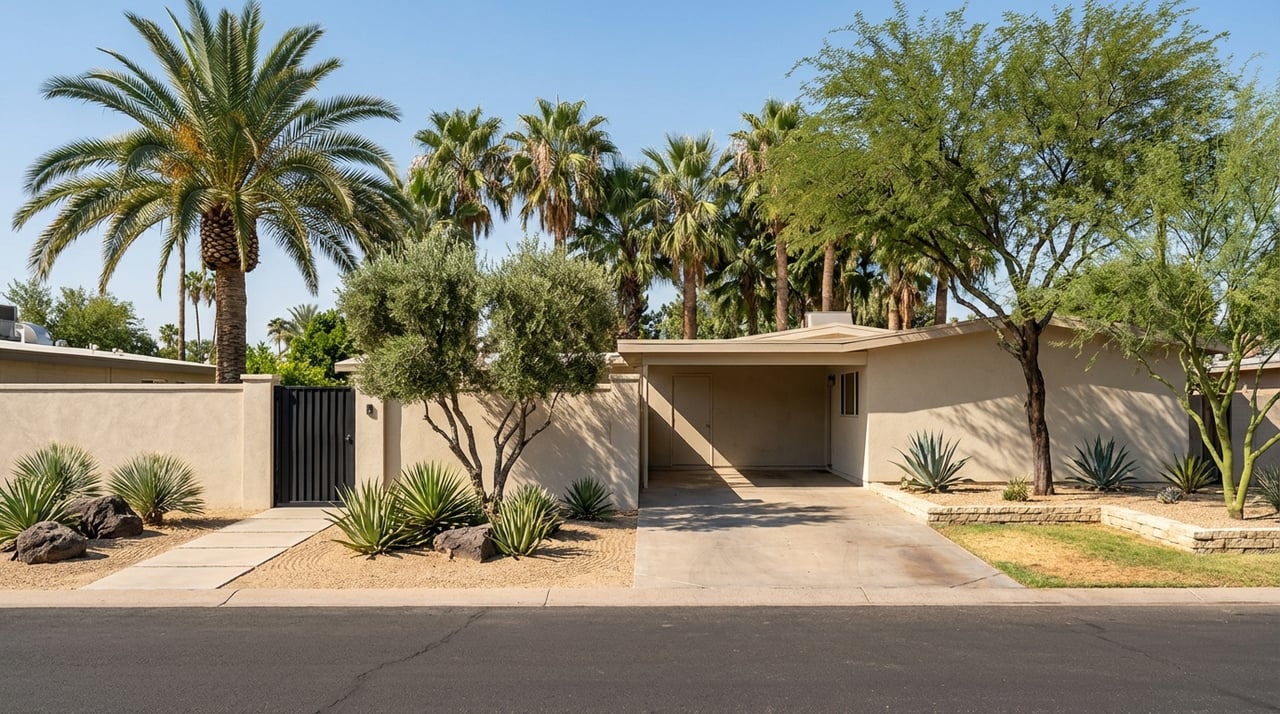
If you prefer more autonomy, a non‑HOA single‑family neighborhood offers flexibility on paint, fencing, vehicles, and exterior changes. You also keep every dollar you would have paid in HOA dues. In exchange, you take on exterior maintenance and service contracts yourself.
Plan for variable monthly costs. National benchmarks suggest pool upkeep can average from about $1,000 to $6,000 per year, with monthly service commonly in the $100 to $500 range depending on size and heating needs. See estimates from PoolResearch on pool maintenance costs. Lawn and landscaping care often runs $100 to $500 per month for typical yards, according to Angi’s lawn‑care cost guide.
A quick comparison helps you budget realistically:
The right choice depends on whether you value predictable, bundled services or prefer hands‑on control with variable expenses.
In HOA communities, CC&Rs and community rules can address exterior changes, paint colors, fences, vehicle and golf cart parking, pets, guests, and rentals. Associations are required to disclose budgets, reserves, and meeting records under the Davis‑Stirling framework. You can learn how HOA governance and disclosures work by reviewing the Davis‑Stirling Act overview.
In a non‑HOA area, city codes still apply, but you generally do not have association rules. That freedom can be a plus if you want to remodel, store recreational vehicles on your property, or install new landscaping without approvals, subject to local ordinances and permits.
If rental flexibility is part of your plan, start with city law. Rancho Mirage adopted tighter short‑term vacation rental rules in 2020–2021, and many residential settings do not permit short‑stay rentals under the city’s defined threshold. Review the city’s current rules in the Rancho Mirage municipal code.
Even when monthly or longer rentals may be allowed by the city, your HOA can set stricter limits. Some communities allow seasonal or multi‑month leases with guest and renter procedures. For example, Sunrise Country Club publishes structured renter fees and application processes for seasonal guests, which shows how some HOAs manage rental access. You can see the renter program details on Sunrise Country Club’s renter information.
If you hope to host events, check both city permits and HOA or club policies. Never assume you can run commercial activity or hold large gatherings without approvals.
If you are buying a condo or a unit in a project, your lender may review the entire community’s financial health. Agencies like Fannie Mae look at reserve funding levels, delinquency rates, and special assessments as part of project eligibility. Learn what lenders evaluate on the Fannie Mae condo project review page.
Insurance differs by property type. Condo owners often carry an HO‑6 policy that covers the interior and personal property, with the HOA’s master policy covering the structure according to its terms. Single‑family owners usually carry HO‑3 or HO‑5 policies that cover the entire dwelling and lot. Get familiar with coverage types using this Policygenius guide to HO‑6 condo insurance, and confirm what the HOA’s master policy covers before you bind a policy.
Rancho Mirage offers a range of country club options. Each has its own membership model, governance, and community feel. Here are examples you will likely encounter when shopping:
Use this quick framework during your due diligence period. It will help you compare apples to apples and avoid surprises.
If you want low‑hands‑on living with built‑in amenities and a social scene, a country club or HOA community in Rancho Mirage may be your best fit. You will trade some autonomy for predictable costs and access to golf, racquets, and events. If you value privacy and flexibility, a non‑HOA single‑family home gives you control, with variable maintenance and fewer rules.
Either way, the smartest path is to review the HOA and club documents early and confirm city rules that affect renting and events. If you want a calm, clear process, reach out. With a paralegal‑trained approach to contracts and a local lens on desert living, Dafna Shalev can help you compare options and move forward with confidence.
Stay up to date on the latest real estate trends.
Dafna provides expert guidance and personalized solutions tailored to your unique needs. Whether you're buying, selling, or investing, Dafna's warm, witty, and professional approach ensures a seamless and successful journey.